
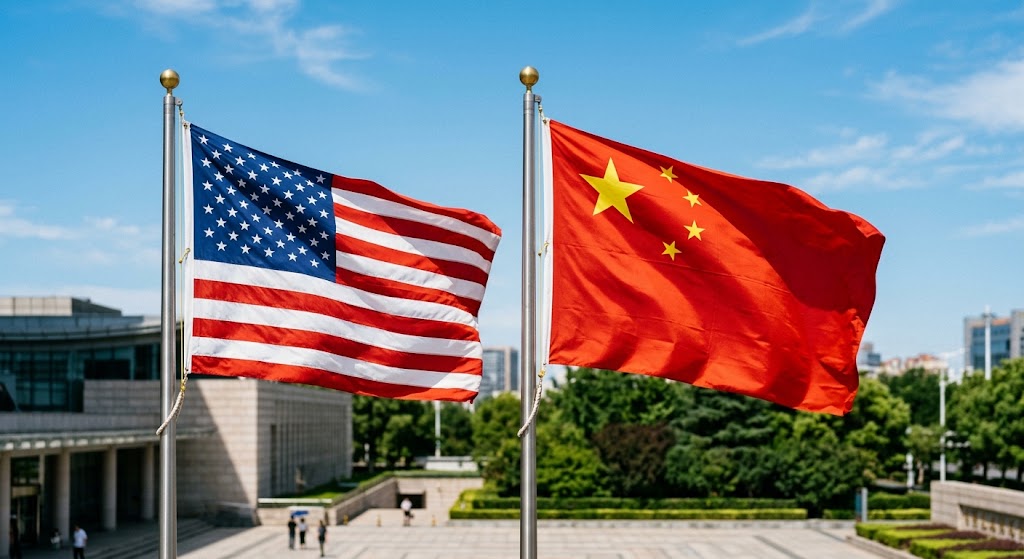

Farm goods, energy supplies, and critical minerals serve as primary leverage points in the ongoing economic tension between the United States and China. These sectors are set to dominate discussions during the upcoming Washington summit between President Donald Trump and President Xi Jinping.
Agriculture
Agricultural products—led by soybeans, which generated $29 billion in exports in 2024—represent a low-sensitivity area with strong potential for consensus. Beijing committed to purchasing 25 million metric tons of US soybeans annually through 2028, along with a pledged $17 billion in additional farm goods. Although Beijing has not publicly confirmed these figures, soybean deliveries remain on schedule. Fulfilling the broader spending targets will likely require Washington to grant tariff waivers, with sorghum and corn poised to benefit alongside soybeans.
Energy
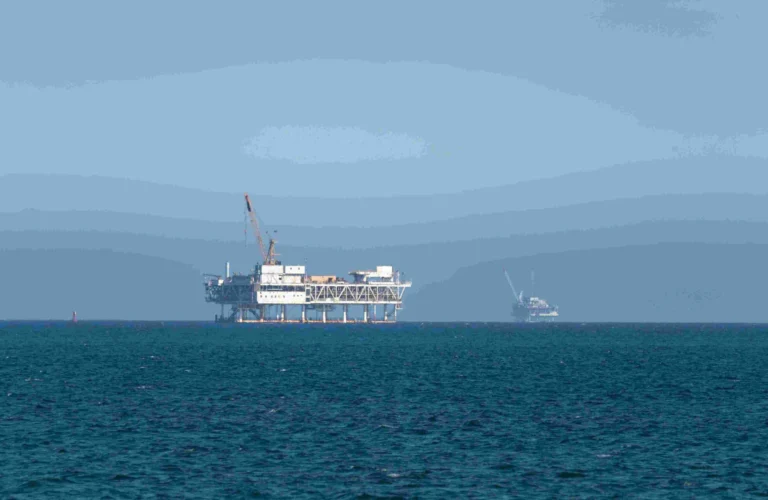
American oil and gas exports to China ground to a halt following Chinese tariffs of 10% to 15%. Washington has pressed for market reopening, and a proposed $30 billion reciprocal tariff rollback could restart trade flows, historically valued between $7.5 billion and $12 billion annually. However, immediate gains for US LNG producers may be limited, as Chinese buyers currently fulfill long-term supply contracts by diverting and reselling cargoes on global markets.
Sanctions
Beijing’s ongoing purchases of Iranian and Russian crude remain a major point of friction. Ahead of the meeting, US officials have hinted at potentially lifting select restrictions while simultaneously threatening new penalties. While Treasury Secretary Scott Bessent has intensified secondary sanctions on banks facilitating Iranian trade, major Chinese financial institutions have so far avoided direct targeting.
Rare Earths
Beijing’s leverage over critical mineral supply chains originally drove Washington back to the negotiating table. Despite a partial resumption of shipments, access issues persist for sensitive American industries like aerospace and semiconductor manufacturing. Unsettled Chinese exporters also hesitate to ship goods fearing policy shifts, prompting US negotiators to demand firm guarantees on uninterrupted resource flows.