

On Thursday, the U.S. administration formally finalized new double-digit tariffs targeting dozens of international trading partners, seeking to rebuild a sweeping system of duties previously invalidated by the Supreme Court in February.
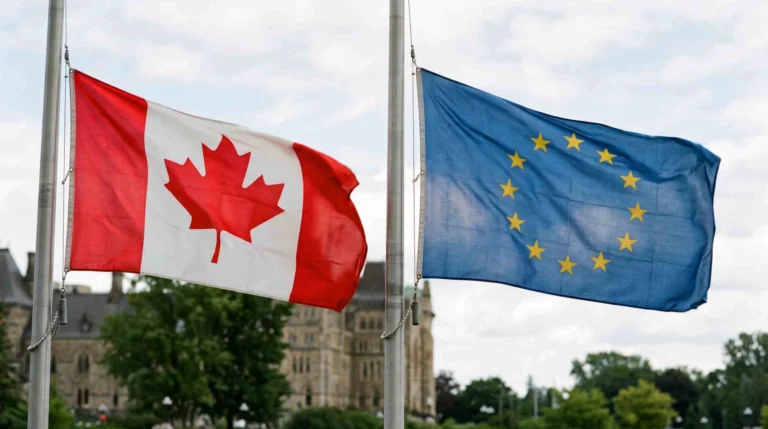
Ranging from 10 to 12.5 percent, the new levies follow a five-month federal investigation into trading partners’ efforts to eradicate forced labor from their supply networks. These duties take effect immediately as a temporary global tariff expires. Beginning Friday, 17 trade partners—including the European Union, Canada, the United Kingdom, Mexico, and Indonesia—will face a 10 percent levy, alongside ten nations that signed bilateral trade agreements addressing the issue.
An additional 43 countries, featuring major economies like China, Japan, South Korea, and Australia, will encounter a 12.5 percent tariff rate. Administration officials emphasized that this represents the most ambitious international labor rights initiative ever undertaken by Washington, designed to restore competitive fairness for domestic workers and pressure foreign partners to clean up global supply chains. Several nations, such as India and Honduras, successfully reduced their prospective tariff burdens by enacting domestic bans on forced labor prior to finalization.
While maintaining existing exemptions for commodities like coffee and goods compliant with the 2020 North American trade pact, the government added new carve-outs for items that cannot be produced domestically, such as Portuguese cork and various precious stones. Imposed under Section 301 of the Trade Act of 1974, these duties help bridge the regulatory gap left by the Supreme Court’s earlier ruling. Crucially, the new rates remain generally lower than the previous „reciprocal” duties previously struck down under emergency economic powers legislation. Meanwhile, the Office of the U.S. Trade Representative continues active investigations into manufacturing overcapacity and foreign pharmaceutical pricing practices, signaling potential future trade actions.