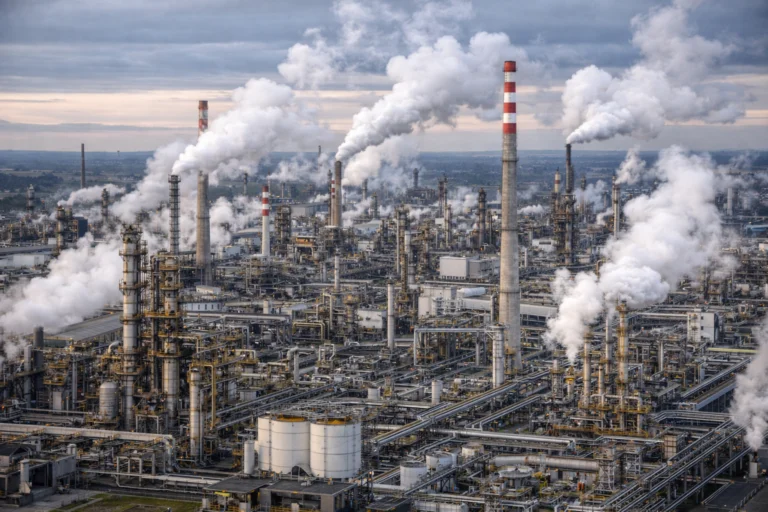

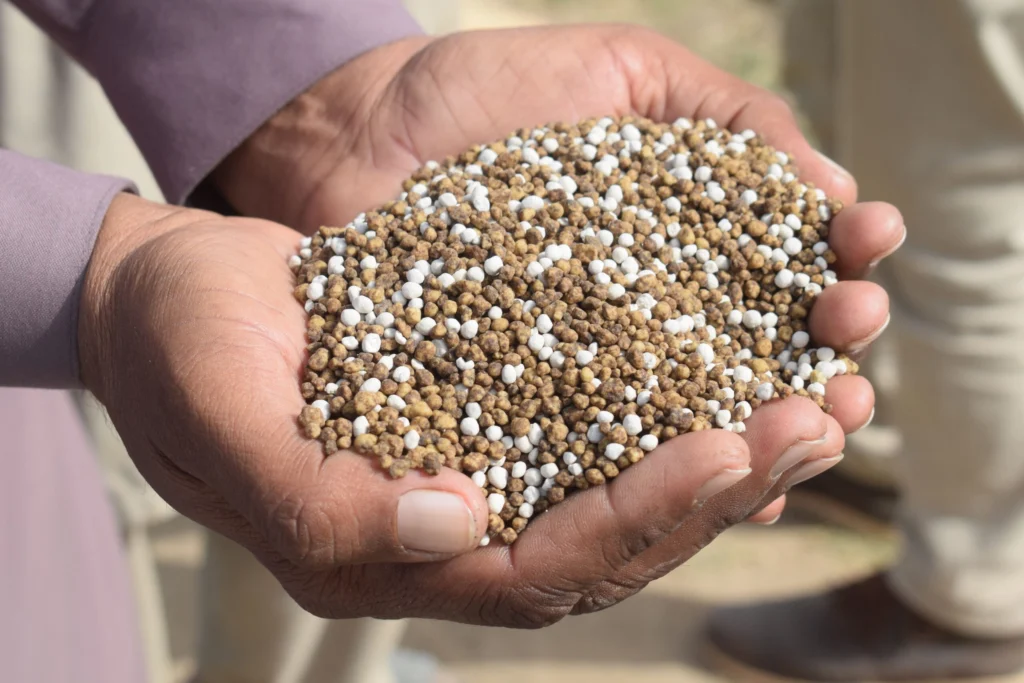
Following a brief period of downward price relief late last year, the mineral fertilizer market entered a sharp upward trajectory in 2026. According to Arkadiusz Zalewski, an agricultural input market analyst at the Institute of Agricultural and Food Economics (IERiGŻ PIB), the primary catalyst behind the surge is the armed conflict in the Persian Gulf and the blockade of the Strait of Hormuz. These disruptions triggered a global supply shock across chemical feedstocks, driving natural gas prices up nearly threefold year-on-year—a critical factor given that natural gas accounts for 60–80% of nitrogen fertilizer production costs. Consequently, within just two months of the Middle East crisis breaking out (March–April), domestic nitrogen fertilizer prices jumped by an average of 18.7%, with urease-inhibited urea surging by 24.4%.
Secondary Price Wave and Pressure on NPK Blends
While price volatility in the nitrogen segment moderated slightly during the summer months, phosphate and multi-nutrient (NPK) fertilizers continued to climb steadily. September brought a renewed wave of price hikes across nearly the entire product range tracked by IERiGŻ PIB. Although milder than the initial spring shock, Zalewski warns that this autumn uptick likely marks the beginning of another round of price increases, primarily targeting nitrogen-based products.
Import Collapse Under CBAM and Falling Domestic Output
Supply-side pressures on the Polish market are further compounded by new EU trade barriers. The full implementation of the Carbon Border Adjustment Mechanism (CBAM), alongside punitive tariffs on Russian and Belarusian imports, has sharply curtailed the inflow of cheaper alternatives from non-EU producers exempt from European carbon levies. Preliminary European Commission data underscores the scale of this contraction: during the first three quarters of 2026, Poland imported just 253,000 tons of nitrogen fertilizers from third countries, down from nearly 1 million tons a year earlier and well below the 2021–2025 five-year average of over 675,000 tons. Multi-nutrient fertilizer imports fell even more steeply, dropping from over 600,000 tons to 195,500 tons. At the same time, prohibitive energy costs forced domestic manufacturers to scale back operations, with total Polish fertilizer output declining by 4.3% year-on-year to 1.73 million tons (in pure nutrient equivalent), including a 5.0% drop in nitrogen fertilizer production to 1.3 million tons.