
Polycrisis: What CEOs are facing
While the EU economy avoids a recession, CEOs are grappling with a polycrisis. Today, geopolitics, capital asymmetry, talent shortages, and the pressure of AI cause more anxiety in boardrooms than macro indicators.
GTradX / MARKET INTELLIGENCE
Nachrichten, Releases, Tutorials und wissenschaftliche Publikationen — in einem operativen Feed.

While the EU economy avoids a recession, CEOs are grappling with a polycrisis. Today, geopolitics, capital asymmetry, talent shortages, and the pressure of AI cause more anxiety in boardrooms than macro indicators.

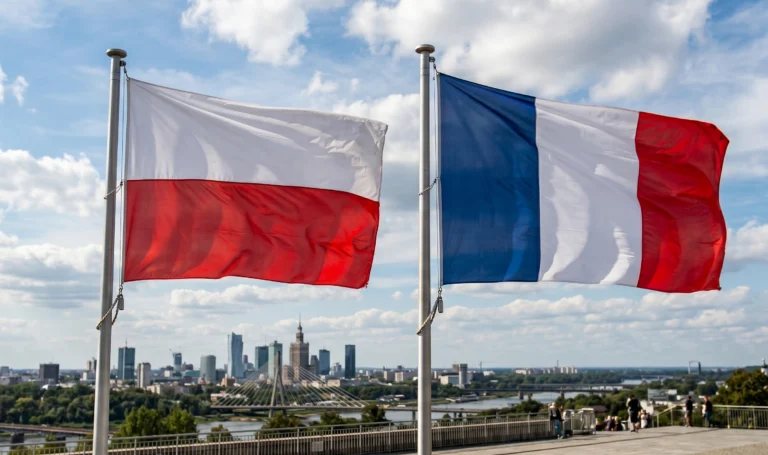
President Macron visits Poland to discuss nuclear deterrence and satellite deals. At the EEC in Katowice, focus shifts to EDF’s nuclear bid and enhancing European industrial competitiveness.

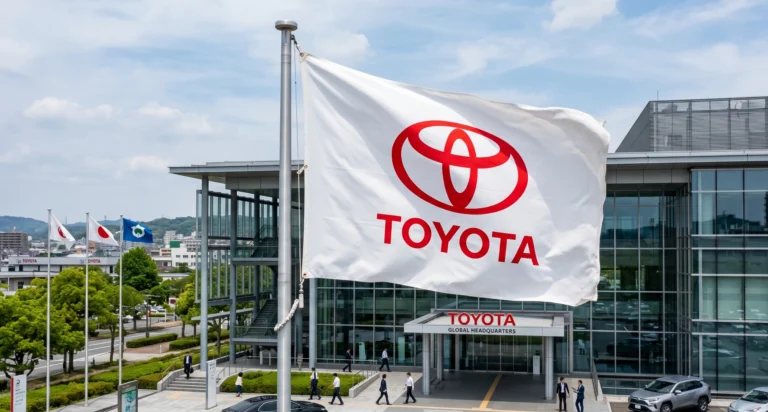
Indonesia and Toyota are discussing a $300M bioethanol plant in Sumatra. Using sorghum feedstock, the project aims for 2028 production to support Indonesia’s 10% biofuel mandate.

The Middle East conflict triggers a global crisis: Europe faces grounded flights, Italy severs defense ties with Israel, and the IMF warns of recession. China remains a reluctant mediator amid rising oil prices.

Iran offers free passage through Omani waters in exchange for a deal with the US. The move aims to end historic energy supply disruptions caused by the war and restore regional stability.

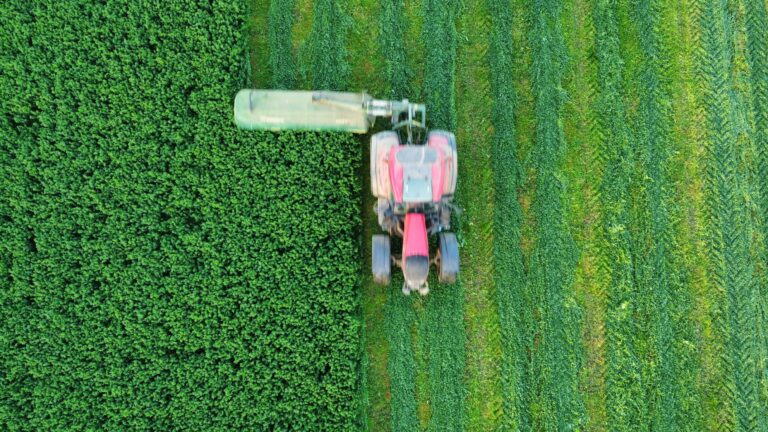
The EESC and MEPs strongly reject the EC's plans for the 2028-2034 CAP. They oppose proposed budget cuts and the dismantling of the two-pillar system, demanding strong financial support for farmers.

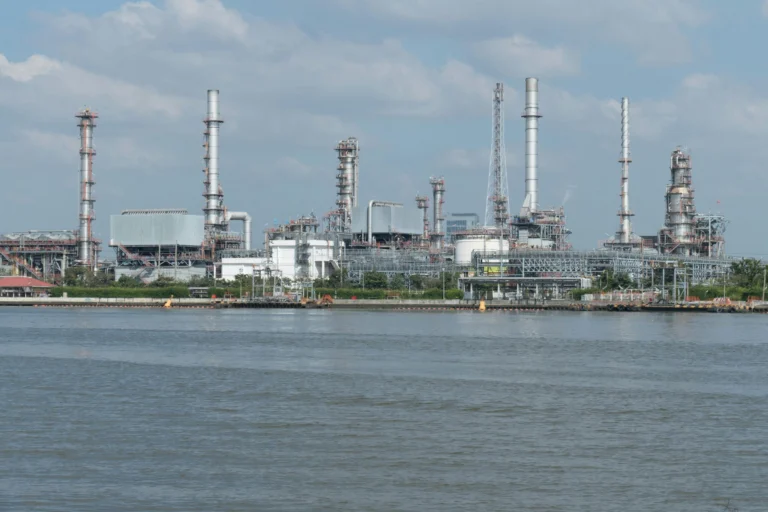
The ongoing conflict involving the US, Israel, and Iran is driving up energy costs, severely impacting European chemical firms. Price hikes threaten demand and benefit cheaper Asian competitors.

Failed negotiations in Islamabad lead the U.S. to block Iranian ports, threatening a fragile ceasefire and causing global oil prices to surge past $100 per barrel amidst rising tensions.

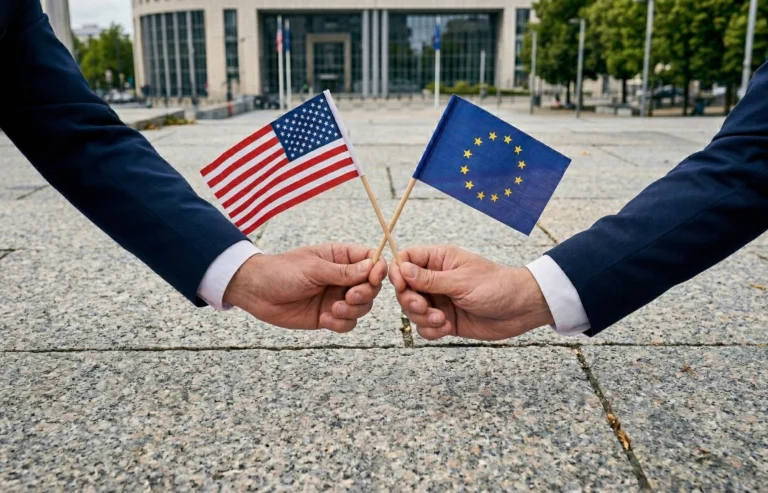
The EU and US are nearing a deal on critical minerals to secure supply chains and counter Chinese dominance through joint projects, price guarantees, and standards across the entire value chain.

Middle East conflict paralyzes the Mekong Delta. Rising fuel and fertilizer costs force Vietnamese farmers to abandon crops, threatening global food security and driving up food prices worldwide.
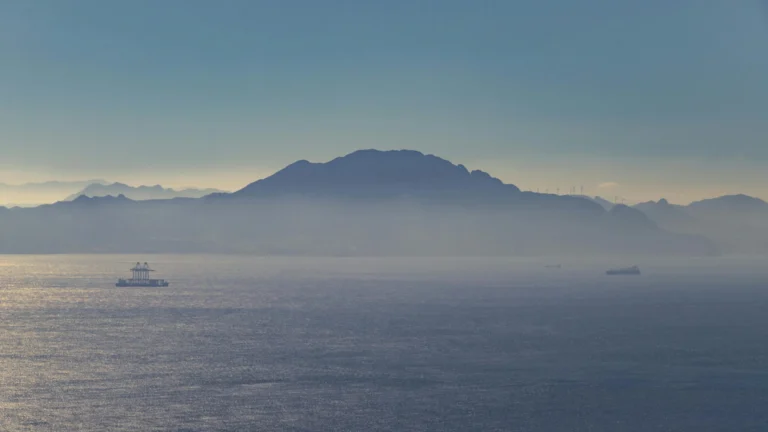
Reality hits market hopes as Iran’s new maritime "tax" threatens the core principle of freedom of the seas. If Hormuz remains a toll zone, strategic straits worldwide could soon follow suit.

The US and Iran agreed to a 14-day ceasefire brokered by Pakistan and China. Reopening the Strait of Hormuz will resume oil and fertilizer trade, causing oil prices to drop as tensions ease.