

FMCG Giants Test Consumer Limits
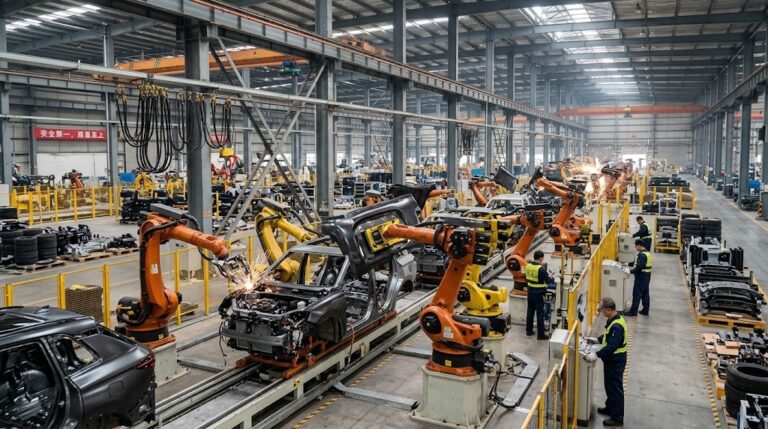
Top food and household goods manufacturers, including Nestlé, Procter & Gamble, and Reckitt, are bracing consumers for another round of price increases. Persistent Middle East tensions continue to drive up raw material, energy, and freight costs, with P&G alone raising its estimated cost burden to $1.4 billion for the year. Companies are finding it increasingly difficult to absorb these hits through narrower margins. However, executives are acutely aware of consumer fatigue. Lindt & Sprüngli recently learned this the hard way, suffering volume drops after rolling out price hikes. Moving forward, brands will have to deploy highly targeted strategies—balancing selective price bumps with promotional discounts—to avoid driving buyers away permanently.
European Gas Prices Hit a Two-Year High
Energy markets are on edge again as European natural gas prices touch €97 per megawatt-hour, the highest level since December 2022. The surge is driven by a perfect storm: lagging winter storage levels (roughly 75% in late October), restricted LNG availability tied to Middle East disruptions, and incoming cold weather forecasts. Heavily reliant on seaborne LNG, Europe now finds itself in a fierce bidding war with Asian buyers for available cargoes. This wholesale panic is clearly visible in Poland, where Q1 delivery contracts jumped by over 30% in just one month, signaling a strong likelihood of increased household gas and electricity tariffs in the near future.
Fertilizer Cuts Threaten Future Harvests
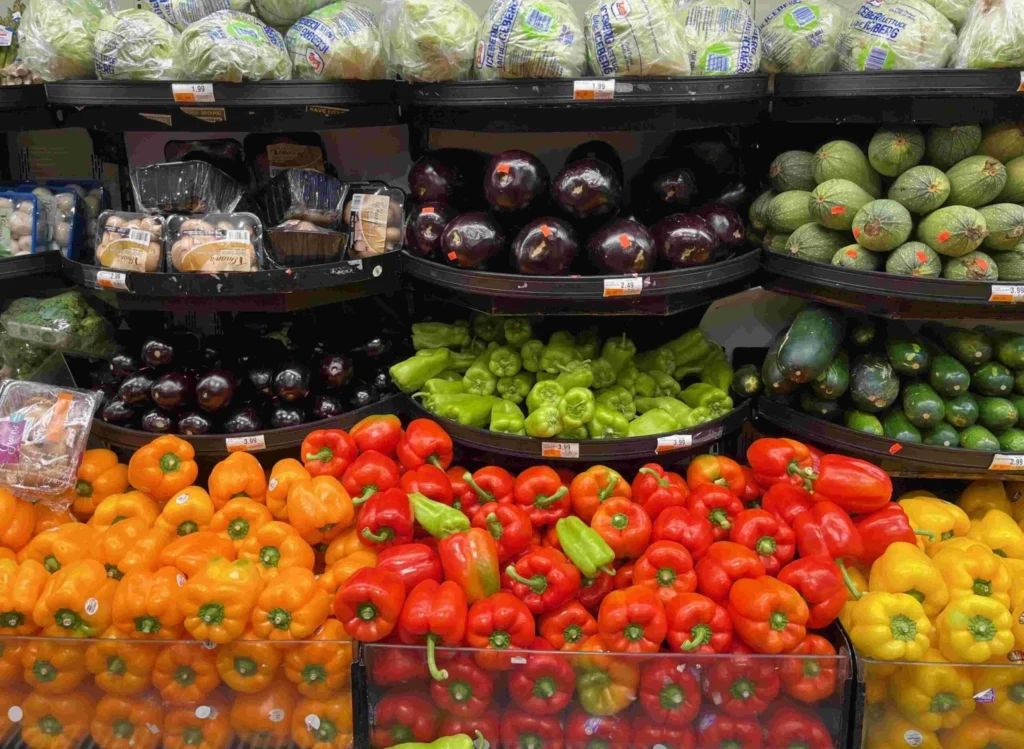
The skyrocketing cost of natural gas is severely disrupting the agricultural sector. European farmers are slashing their purchases of expensive fertilizers, with nitrogen and phosphate demand dropping by roughly 20% and 30%, respectively. Consequently, fertilizer imports into the EU have plummeted by a quarter, and by a staggering 50% in Poland year-over-year. While some farmers are simply delaying their orders until spring, analysts at ICIS warn that this could create massive logistical bottlenecks when planting season arrives. If this purchasing slump reflects permanent demand destruction rather than a temporary delay, it will severely compromise the 2027 harvests, triggering yet another wave of global food inflation.