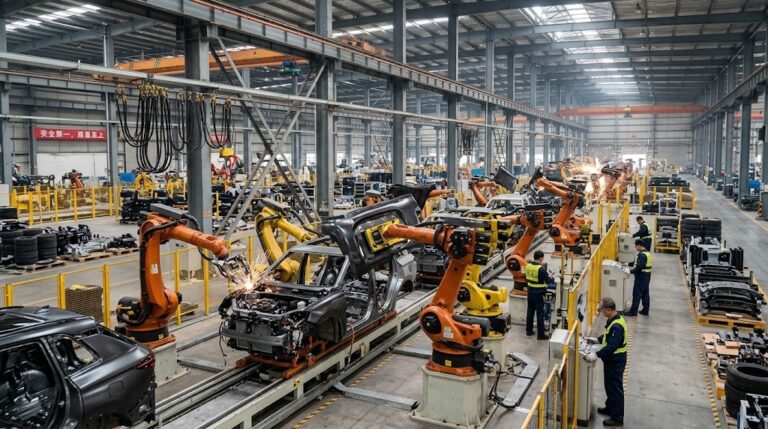



Brussels is pushing hard to turn the slogan „Made in Europe” into an actionable industrial strategy, leveraging public spending and state subsidies to shield local manufacturers from dominant Chinese rivals. However, translating this ambition into the Industrial Accelerator Act (IAA) has proven politically explosive. Lawmakers and national governments remain sharply divided over what truly qualifies as European and how much extra taxpayers should be expected to pay. Negotiations are virtually guaranteed to stretch well into 2027.
Five core issues are dominating the legislative tug-of-war:
- Defining 'Made in Europe’: The Parliament wants a strict threshold requiring at least 50% of a product’s value to originate within the EU alongside tougher anti-circumvention rules. The Council is more flexible, favoring accommodations for trading partners tied by free-trade agreements.
- FDI Screening: Parliament pushes for lowering review thresholds from €100 million to €50 million and granting Brussels broader powers to block foreign takeovers. The Council prefers maintaining the original €100 million limit and preserving national capitals’ autonomy.
- Reach of Procurement and Subsidies: Lawmakers want green and social mandates to cover up to 90% of state aid schemes. Conversely, national governments fear spiraling costs and project delays, pushing for wider exemptions when compliant goods are costly or unavailable.
- Sector-Specific Targets: Parliament demands high, binding local-content quotas for green tech and electric vehicles (such as 75% for non-battery car parts). The Council advocates a less prescriptive, more gradual approach to avoid hurting competitiveness.
- Scope of the Law: A broader philosophical argument questions whether the IAA should remain a targeted fix for strategic dependencies or expand into a sweeping industrial policy covering maritime, materials, and other sectors.
While both sides agree on streamlining permitting processes and cutting red tape, they remain at odds over how aggressively Europe should champion domestic production and who should ultimately foot the bill.