

The U.N. climate summit (COP31) in Antalya, Turkey—the longest in the conference’s 30-year history—ended in disarray on Sunday without a final political agreement. Despite running 48 hours past its deadline, nearly 200 nations failed to reach consensus on a main „cover decision,” leaving delegates with only technical agreements and side initiatives under the action agenda, which U.N. climate chief Simon Stiell nonetheless described as „real progress.”
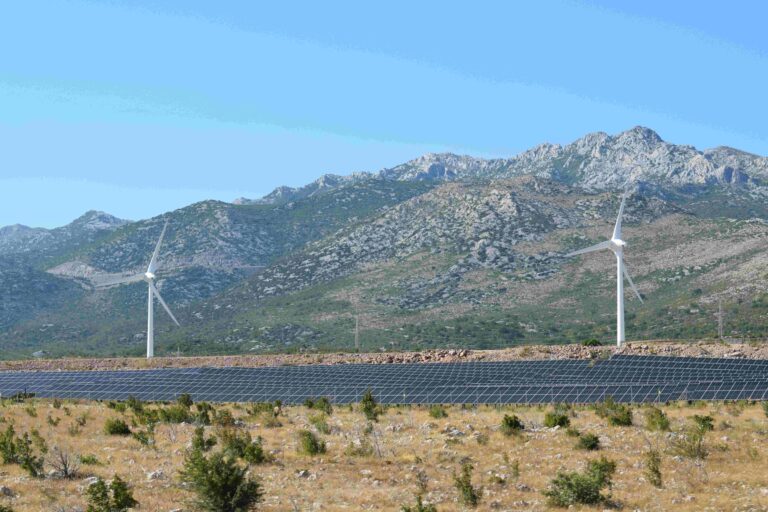
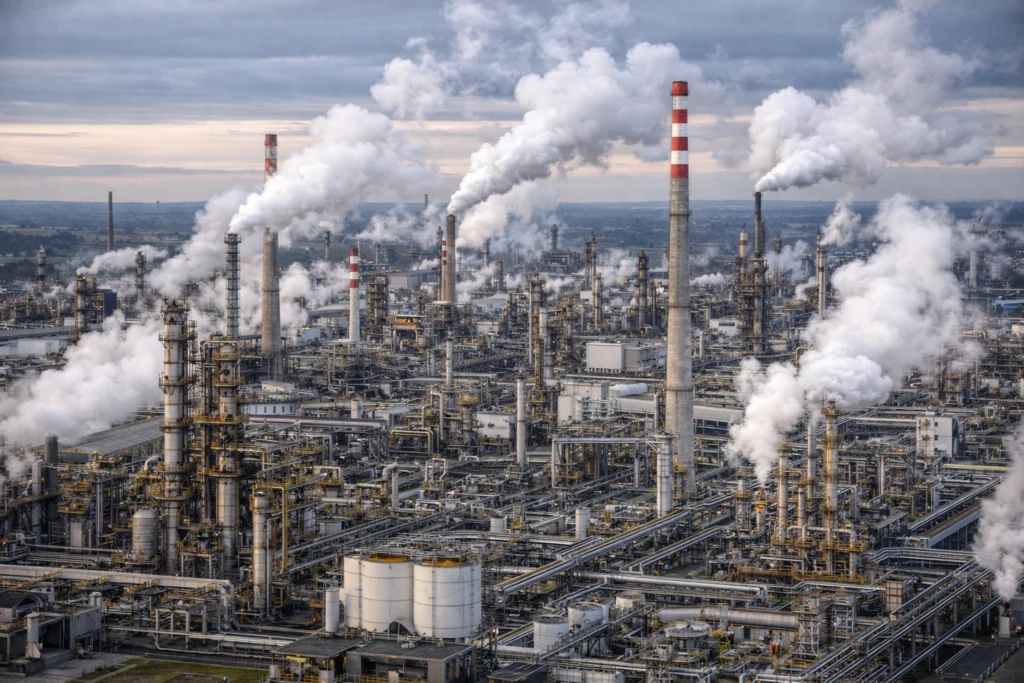
The talks broke down over the future of energy. A coalition of roughly 130 countries, led by the European Union, small island states, the U.K., and Norway, insisted that the final text reaffirm an earlier commitment to transition away from fossil fuels. They also demanded the removal of language placing carbon capture and storage (CCUS) technologies on equal footing with renewables. Petrostates, led by Saudi Arabia, firmly opposed any mention of fossil fuels. When the final draft from co-hosts Turkey and Australia failed to meet the coalition’s demands, the EU and its allies rejected it outright, refusing to endorse a deal that ignored the primary driver of global warming. Although China, India, and several African nations did not block the text, the U.N.’s strict consensus rule sealed its collapse.
The breakdown also sank the co-hosts’ flagship proposal to boost electricity’s share of global energy consumption from 23% to 35% by 2035—an effort meant to capitalize on high oil and gas prices triggered by the Iran war. European negotiators warned that without explicit commitments to „clean” electrification, the target risked prolonging fossil fuel use, a concern amplified by surging electricity demand from AI and data centers that the summit largely failed to address.
Broader geopolitical tensions—including the wars in Iran and Ukraine, and the absence of the United States following President Donald Trump’s second withdrawal from the process—heavily weighed on the talks. Diplomats also criticized the presidency’s delayed drafts and lack of transparency, while some questioned the viability of the consensus model itself. The failure marks a stark setback at the first climate summit held since the U.N. warned that the world is virtually certain to overshoot the 1.5°C warming threshold.