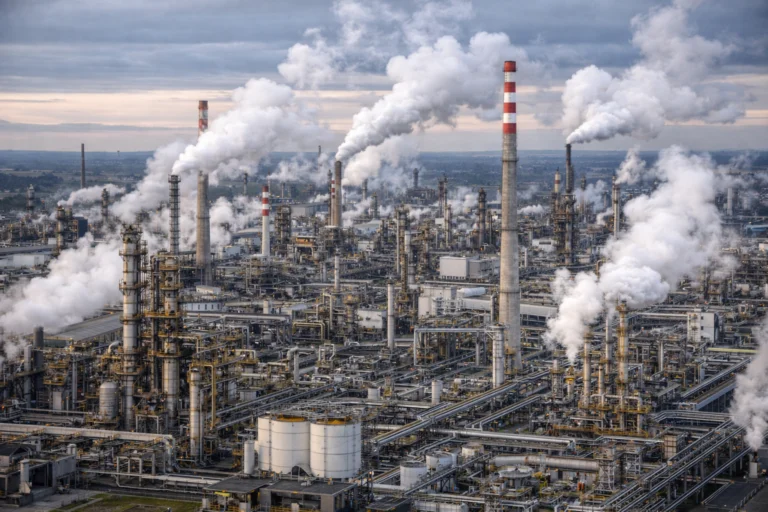



The EU’s chemical agency (ECHA) proposes long transition periods for PFAS in sectors like autos and chips. The move draws fire from EU auditors over slow regulations and €440B in projected health costs. (202 characters)
The European Chemicals Agency (ECHA) is set to recommend an extensive list of temporary exemptions to the EU’s upcoming ban on PFAS chemicals. According to a leaked draft opinion, the proposed carve-outs would allow critical manufacturing sectors to continue using these substances for periods ranging from 18 months up to 13.5 years.
The recommendations come after heavy lobbying from European manufacturers, who warned that an abrupt, blanket ban would leave them without viable alternatives. While PFAS are linked to severe health risks—including cancer and reduced fertility—their exceptional resistance to heat, water, grease, and corrosion makes them vital across modern supply chains. Under the draft plan, sectors such as solar panel manufacturing would receive a 6.5-year grace period, while the automotive and semiconductor industries could use the chemicals for another 13.5 years. Exemptions would also extend to electronics, textiles, medical implants, and personal protective equipment.
However, ECHA held firm against granting full exemptions for active ingredients in pesticides, biocides, and human or veterinary pharmaceuticals, citing a lack of justification. For eight other areas—including defense, industrial machinery, and specific medical applications—the agency did not complete detailed assessments and advised allowing temporary continued use pending further review.
The timing of the draft is politically sensitive. It coincides with a critical report from the European Court of Auditors, which slammed the EU’s approach to PFAS as overly complex, sluggish, and lacking sufficient hazard data. Critics increasingly argue that the bloc’s flagship chemical framework, REACH, is ill-equipped to manage the more than 10,000 distinct PFAS compounds currently on the market.
In response, the European Commission defended REACH’s track record on issues like microplastics and firefighting foams, arguing that the complexity of PFAS requires a thorough, measured approach. Meanwhile, individual member states like France and Denmark have already moved ahead with national bans on certain consumer goods. The financial stakes are massive: a Commission study released earlier this year estimates that addressing the environmental and health fallout from PFAS pollution will cost the EU at least €440 billion by 2050.