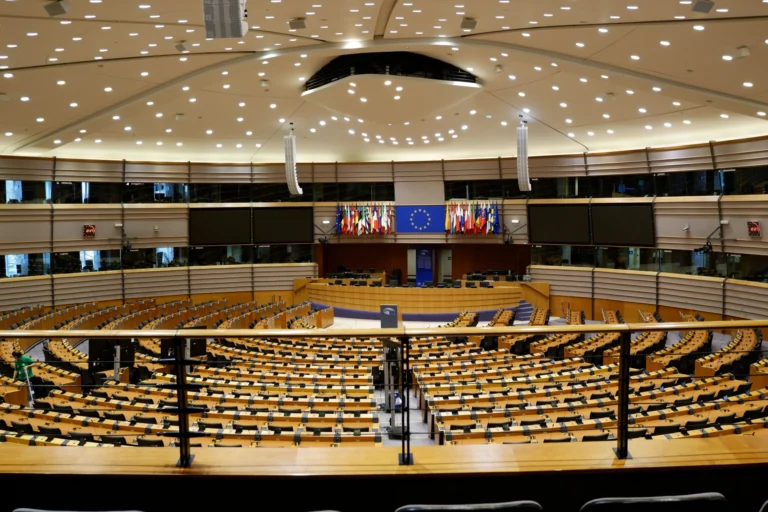
Plan for stronger EU chemical industry
The EC launched a chemical industry action plan to boost competitiveness. It addresses energy costs, fair trade, and offers regulatory simplification (6th Omnibus) saving €363 million annually.
1 min32 Aufrufe

 GTradX.
GTradX / MARKET INTELLIGENCE
Nachrichten, Releases, Tutorials und wissenschaftliche Publikationen — in einem operativen Feed.
The EC launched a chemical industry action plan to boost competitiveness. It addresses energy costs, fair trade, and offers regulatory simplification (6th Omnibus) saving €363 million annually.
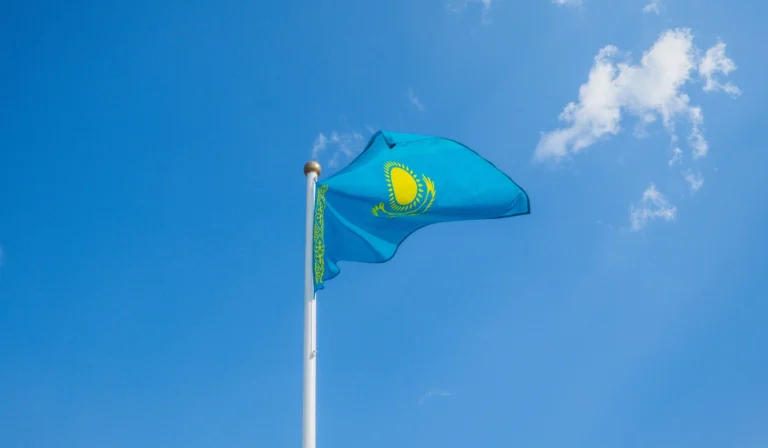
Kazakhstan and Russia have introduced strict sulfur export restrictions through late 2026. The combined measures severely constrain global availability and disrupt international supply chains.

Sulphuric acid demand rebounds amid supply disruptions in Indonesia and Hormuz. Global tenders and updated spot prices ($310–440/t) will show if the market has reached a price floor.

India contracted 1.7 Mt of imported urea at reduced prices ($390-394/t). While urea and LNG supplies have stabilized, shortages of DAP and key raw materials like sulphur remain a concern.

The global sulphur market faces a standoff. Spot prices fell ~$200/t, but strong buyer resistance curbs liquidity. Supply disruptions in Canada and the Middle East keep prices elevated.
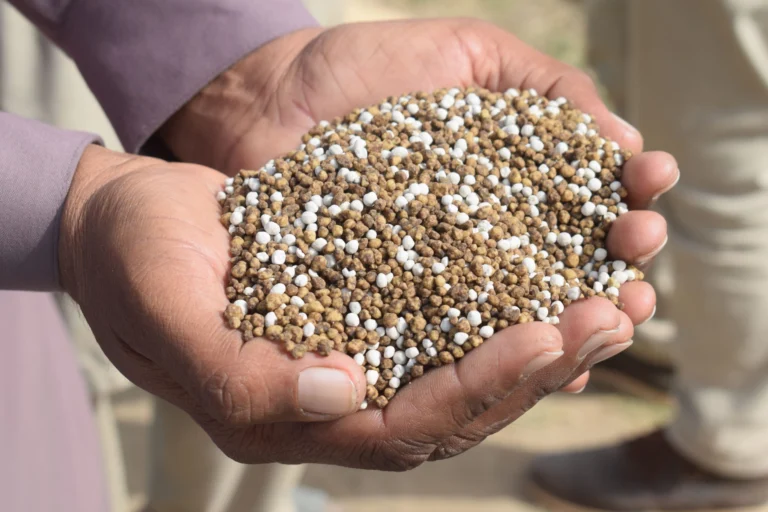
India's new 1.7M-ton urea tender introduces strict trade and sanction rules, acting as a vital Q3 2026 pricing benchmark for the global nitrogen fertilizer industry.

The EU's proposed ban on pesticide residues in imports threatens soaring food prices and international backlash, forcing Brussels to choose between farmers and consumers.

Amid escalating global geopolitical risks, China is rapidly expanding its coal capacity to ensure energy independence. Polish mining unions argue this strategy offers a crucial lesson for Europe.
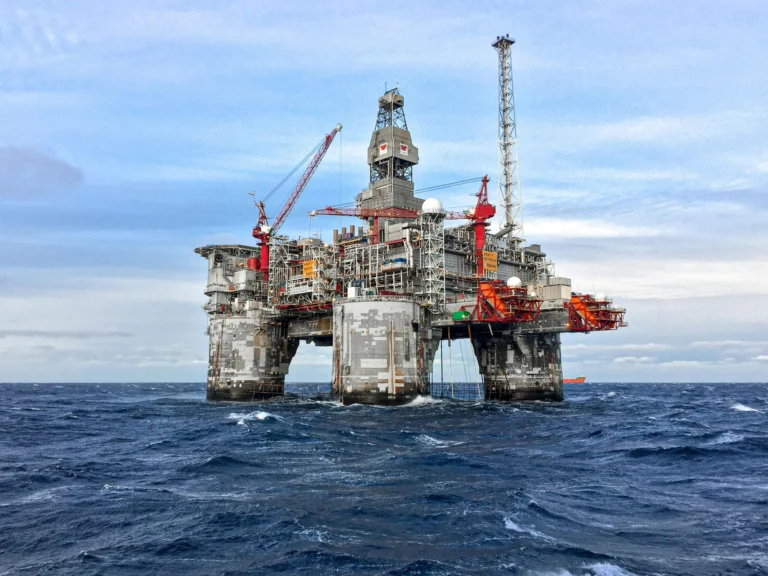
Oil prices fluctuated as Iran proposed contentious Strait of Hormuz transit fees and ship bans. While Trump downplays tensions, Houthi attacks in Yemen heighten regional instability.

The Hormuz blockade has sparked a severe shortage of sulfur and sulfuric acid, crippling copper mining output in Chile and Africa. Surging costs have forced downward revisions in global production forecasts.

The EU Council is revising the Industrial Accelerator Act, replacing "Made in Europe" with precise product-specific partner origin rules, giving member states more control and tightening timelines.
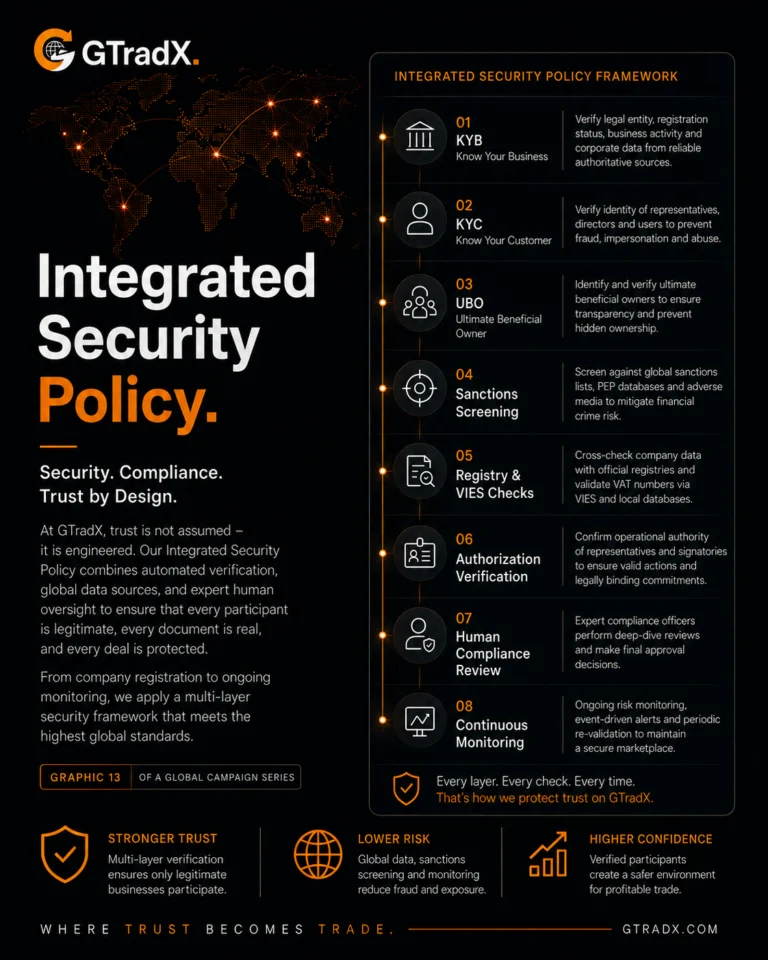
GTradX tools allow for the transfer of best practices and corporate governance onto the platform, while the adopted financial model eliminates payment-related risks.